How Nutrition Affects Your Mental Health
Mar 08, 2026 0 Views
We often hear the phrase that you are what you eat. Usually, this refers to physical fitness or heart health, but modern science is proving that your diet plays an even bigger role in how you feel emotionally. The connection between your gut and your brain is so strong that many experts now refer to the digestive system as the second brain.
When we talk about healthcare, we must look beyond just physical checkups and medicine. True wellness includes mental stability, and the fuel you give your body is the foundation of that stability.
The Gut Brain Connection
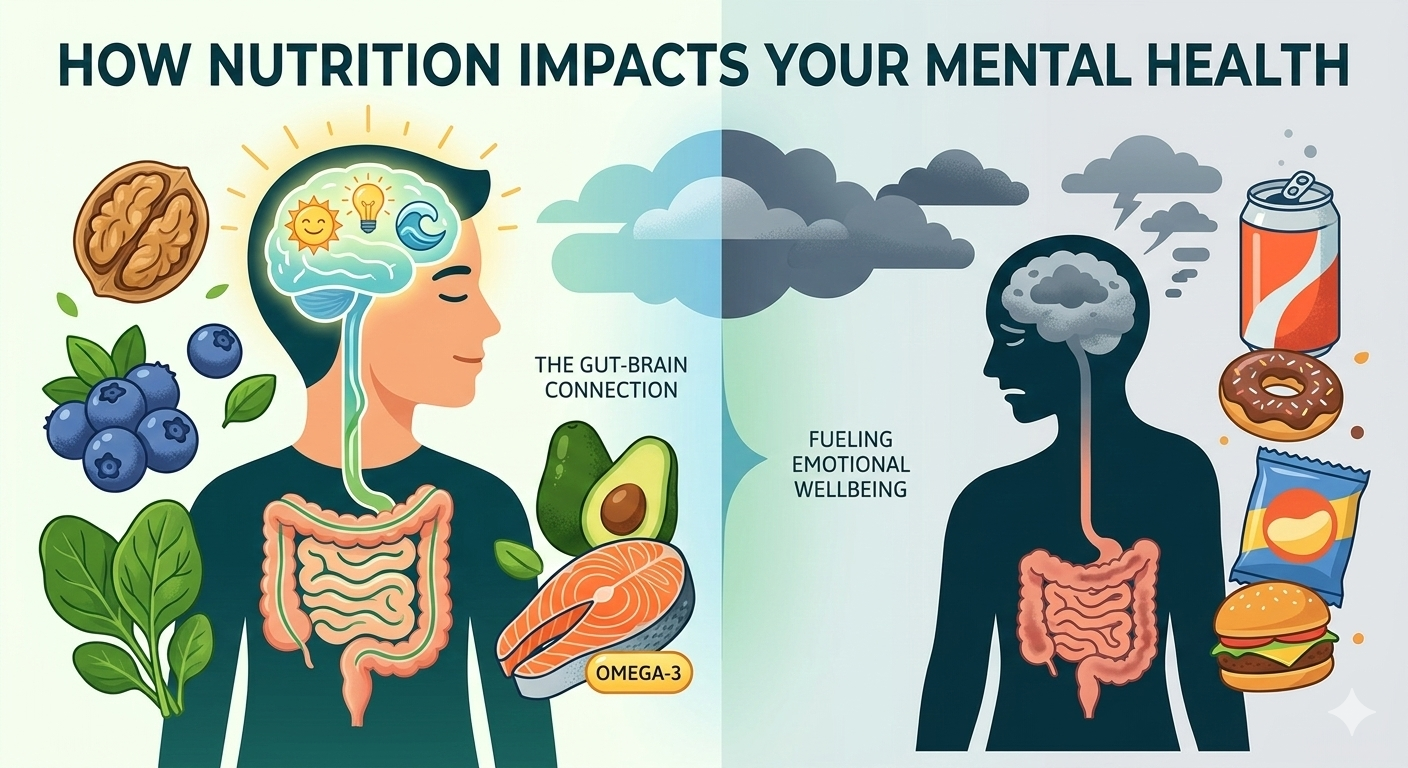
There is a direct physical link between your brain and your gut called the vagus nerve. This nerve acts like a two-way highway sending signals back and forth. Surprisingly, about 95% of your serotonin—the chemical that regulates sleep, appetite, and mood—is produced in your gastrointestinal tract.
If your gut is filled with processed junk, the good bacteria struggle to survive. This can lead to chemical imbalances that make you feel irritable, anxious, or tired. By focusing on better nutrition, you are essentially providing the building blocks your brain needs to maintain a happy mood.
Key Nutrients for a Better Mood
You do not need a complicated diet plan to see results. Focus on adding these simple elements to your daily meals:
-
Healthy Fats: Your brain is about 60% fat. Omega-3 fatty acids found in walnuts, flaxseeds, and fatty fish help reduce inflammation in the brain which is often linked to mood disorders.
-
Complex Carbohydrates: Foods like oats, brown rice, and quinoa release energy slowly. This prevents the sugar crash that often leads to sudden feelings of sadness or anger.
-
Probiotics: Fermented foods like yogurt and kimchi help the good bacteria in your gut thrive, which directly supports your mental clarity.
-
Leafy Greens: Spinach and kale are high in folic acid, which helps your brain produce dopamine, the chemical responsible for feeling pleasure.
The Impact of Sugar and Processed Foods
While a sugary snack might give you a quick burst of energy, the aftermath is usually a sharp drop in blood glucose. This rollercoaster effect can mimic the symptoms of anxiety, including a racing heart and a feeling of dread.
In the modern world of healthcare, preventative care is becoming the gold standard. Choosing whole foods over processed snacks is one of the most effective ways to prevent mental burnout and brain fog before they start.
Frequently Asked Questions Click here
Can changing my diet cure depression or anxiety? While nutrition is a powerful tool, it is usually one part of a larger plan. Eating well provides the physical foundation for recovery, but it is best used alongside professional healthcare advice and therapy.
How long does it take to feel a difference in my mood? Many people notice a change in their energy levels within a few days of eating cleaner. However, it usually takes about two to four weeks of consistent healthy eating for the gut microbiome to shift enough to significantly impact emotional stability.
Is coffee bad for my mental health? In moderation, coffee can improve focus. However, too much caffeine can trigger the fight or flight response, leading to increased anxiety and disrupted sleep, which negatively affects your mental state.
Why do I crave junk food when I am stressed? Stress triggers the hormone cortisol, which makes your brain crave high calorie, sugary foods for a quick hit of dopamine. Recognizing this as a biological response can help you choose a healthier alternative instead.
Conclusion
Your mental health is not just about what is happening in your head. It is about how your entire body is functioning. By prioritizing high quality nutrition, you are giving yourself a natural advantage in managing stress and staying focused.
Investing in your diet is a vital part of your personal healthcare journey. When you nourish your body, your mind will naturally follow, leading to a more balanced and vibrant life.